The Hope Method
One practice, one way of working. Whoever you see at Hope, the same method sits underneath the conversation: clinically based, spiritually informed, and simple enough to use at your kitchen table.
One practice, one way of working.
Come on your own, as a couple, as a family, with your child, or to a support group. Whichever door you walk through, you get the same Hope: the same method, the same values and the same care.
You won't start over if you see someone new, and you won't get a different philosophy depending on whose office you're in.
Nothing is wrong with you. You're stuck.
Hard seasons are good at sleight of hand. Quietly, they talk us into habits that keep us stuck.
- 01Running from feelings that hurt
- 02Believing things that aren't true
- 03Losing track of who we want to be
- 04Repeating what isn't working
- 05Pulling away from people who could help
None of that is a character flaw. It's what being stuck looks like, and stuck is something we know how to work with.
Five places to get unstuck.
Every provider works with the same five areas. There's no required order: start wherever you're stuck, and a change in one area spreads to the others. At the center is the person you want to be, which gives the rest their direction.
This is how we work. Tap a letter to see more.
You can feel this and still be okay
Maybe you’ve told yourself, “If I let myself feel this, I’ll fall apart.” Most of us learned to handle hard feelings by staying busy, pushing them down, or trying to think positive. That can work for a while. But feelings you avoid don’t go away. They tend to come out sideways, as a short temper, a sleepless night, or a headache on the drive home.
Even Jesus was called a man acquainted with grief, so hard feelings aren’t a sign your faith is weak. The goal isn’t to make the feeling disappear. It’s to learn that you can sit with it and still keep going.
In our sessions, we’ll help you slow down, notice what your body is telling you, and put a name to what you’re feeling, without judging it.
Something to try this week: when something hits hard, take a few slow breaths before you react. Then ask yourself what you’re actually feeling.
See how the method meets anxiety, depression, grief, trauma and marriage, or everything we help with.
Every hard moment is a fork in the road.
A feeling, a thought or a situation lands, and in that moment you have a choice. One response moves you toward the person you want to be. The other moves you away. You always have a choice, even when the only one left is how you respond. Pick a moment to see what we mean.
The moment
Your teenager slams the bedroom door.
Toward who you want to be
Let the heat pass. Knock an hour later and ask what happened.
Away from who you want to be
Slam a door of your own, or go silent for two days.
What we believe about change
These are the ideas every provider at Hope agrees on. If they make sense to you, you'll feel at home here, whoever you end up seeing.
-
Hard seasons are normal.
Problems come with being human. Asking for help with one takes courage, and it's the part we can help with.
-
You always have a choice.
Even when you can't change what happened, you can choose how you respond. That's where change begins.
-
Small turns go a long way.
Change a plane's flight path by a degree or two and it lands somewhere else entirely. A small step in the right direction counts.
-
Start anywhere.
Every part of the method touches the others. Begin wherever life feels hardest, and the rest starts to move too.
-
Practice, not perfection.
There will be good weeks and hard ones. Watch the overall direction, and be kind to yourself along the way.
-
You don't have to do it alone.
Support from people who are good for you is part of getting better, whether that's a counselor, a group, friends or faith.
Five providers. One Hope.
All five work from the Hope Method. If the first person you meet isn't the right fit, tell us and we'll connect you with someone else. Nobody takes it personally.
How it works
The method shows up in everyday language, not jargon. Here's the usual rhythm, though you and your provider set the pace.
First
A conversation
Your first session is about what you need. Afterwards you decide whether to keep going, with no commitment either way.
Then
Find where you're stuck
Together you look at which part of the wheel is pulling hardest right now. That's where you start.
Between sessions
Roll up your sleeves
Small, practical steps to try at home, sent through the client portal. We'll be right there with you.
For as long as you need
And no longer
Some people come once. Some come for a season. The goal is for you to carry the method on your own.
- Cost
- $75 for 50 minutes
- Insurance
- Not accepted
- Where
- Washington Rd. or telehealth
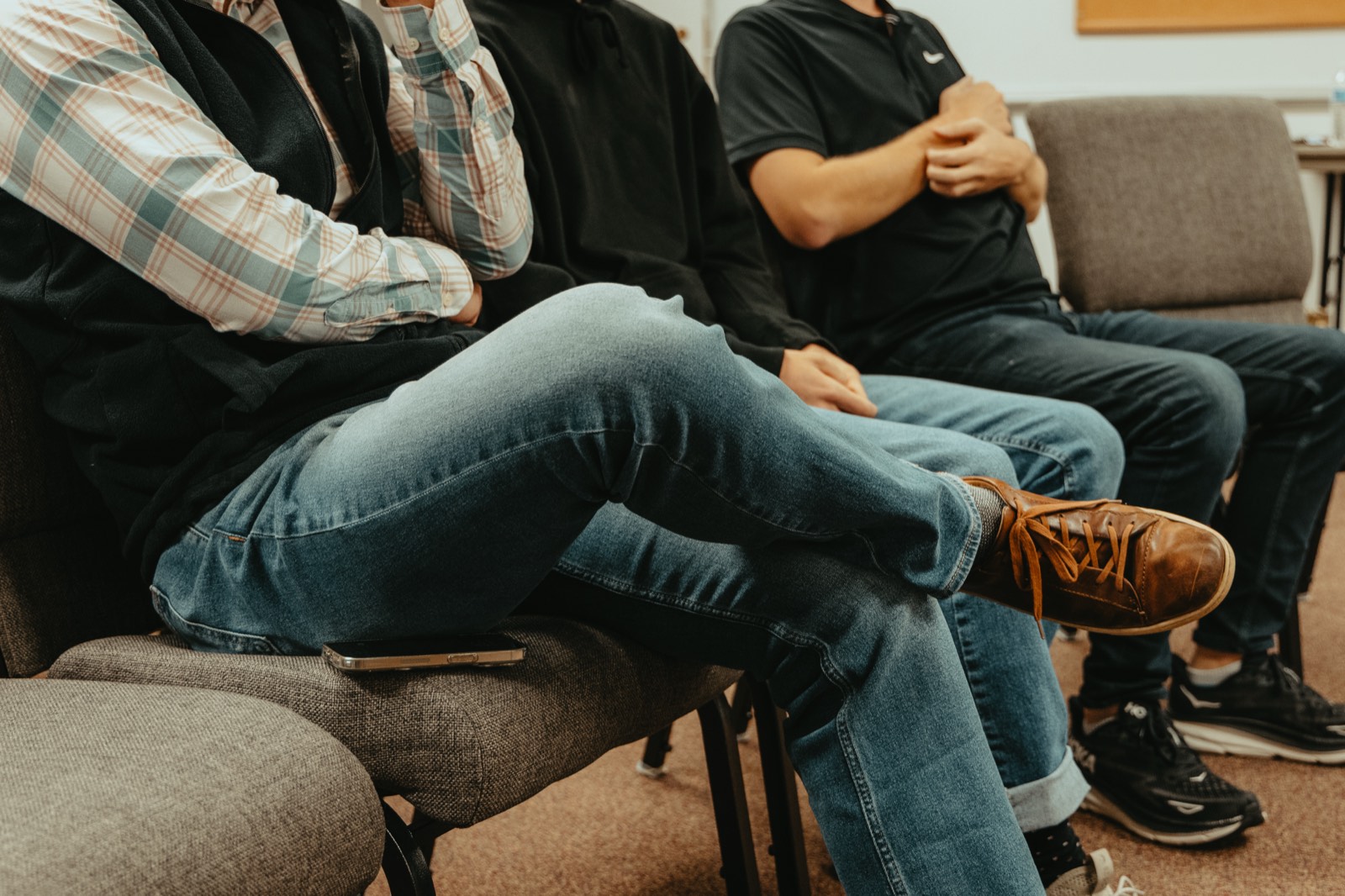
Room for something greater than yourself.
Everything in the Hope Method is something you can practice on your own. But on your own, you can only pedal as far as your own strength carries you.
Many people find they go further when they're not pedaling alone. Our providers share a Christian worldview, and we care about the whole person: mind, body and spirit. If you'd like prayer or faith to be part of your sessions, ask, and your provider will gladly include it. If you wouldn't, it won't come up. Everyone is welcome here, whatever they believe.
Our support groups for grief, divorce, anxiety, betrayal trauma and recovery are hosted with Warren Church and open to anyone in the community.


Where the method comes from
Our director, Bret Legg, has spent more than 30 years counseling marriages, families and parents, and people working through grief, depression and spiritual questions. The Hope Method is what he found helps, put in a shape anyone can use.
He holds master's degrees in Marriage and Family Counseling and in Religious Education, and he wrote the method down in his book, TRICK. You don't need to read it to benefit. Your provider will bring the parts that fit. Bret also records short podcast episodes for people who might never sit in a counselor's office.
Start wherever you're stuck.
We try to get people in the same week they reach out. Or start with a group.
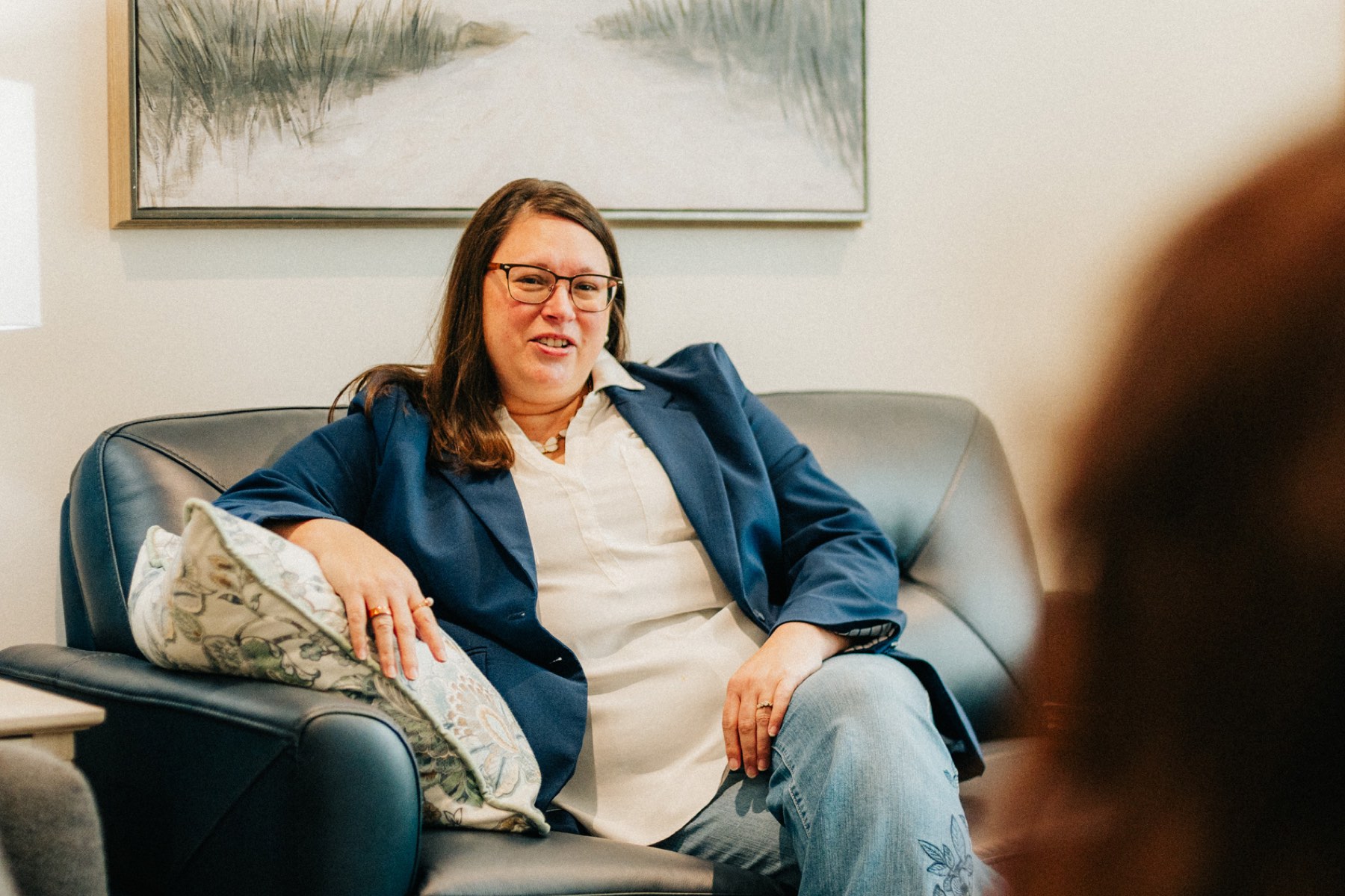
Book an appointment
One-on-one, couples or family sessions, in person on Washington Road or by telehealth. Choose "I'm a new client" when you book.
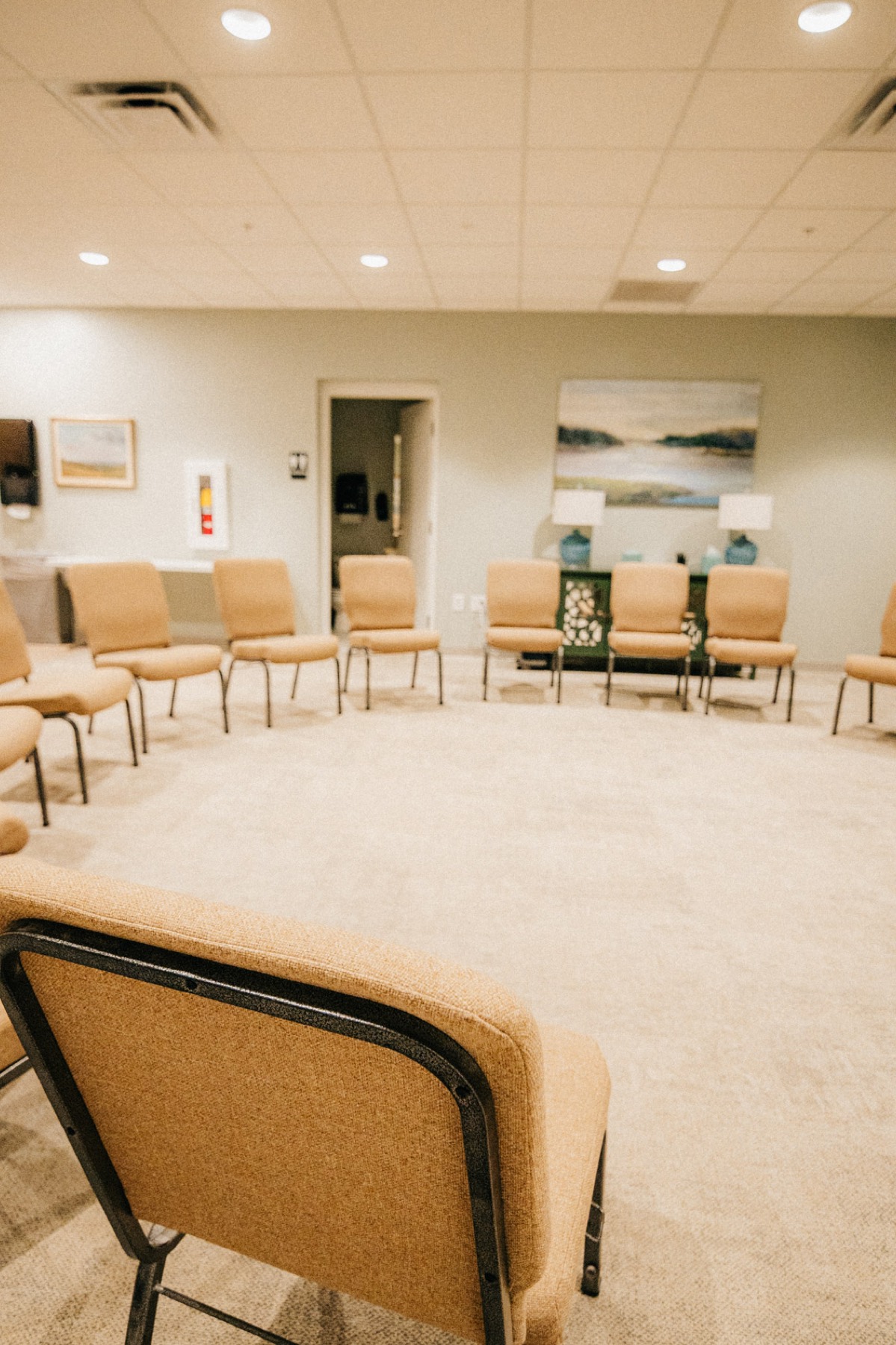
Join a support group
Anxiety and depression (led by one of our providers), grief, divorce, betrayal trauma, recovery and more, open to anyone in the community. Most ask you to register before the first meeting.
Still unsure? Call the office at 762.328.4673.